Senators Propose Solution for “Orphaned” Nuclear Waste
📅 2026 Update: Recent Developments in Nuclear Waste Management
Since the original article was published, several significant changes have impacted the management of nuclear waste in the U.S. These changes reflect ongoing efforts by government agencies to address concerns about nuclear waste and its safe disposal. The earlier article continues further down the page.
🔍 New Low-Level Waste Management Policy
On July 31, 2026, the U.S. Department of Energy finalized its determination for managing selected tank waste at Hanford’s 200 West Area. This decision allows treated waste from the S, SX, and U Tank Farms to be treated as low-level radioactive waste.
This change is crucial as it simplifies the management process and reduces risks associated with high-level waste.
💰 Funding for Recycling Technologies
On February 5, 2026, the Department of Energy's Office of Nuclear Energy awarded over $19 million to five U.S. companies. This funding aims to advance recycling technologies for used nuclear fuel. The focus on recycling can potentially reduce the amount of waste generated and improve overall safety in nuclear waste management.
🏗️ Surplus Plutonium Disposition Efforts
As of June 22, 2026, the Department of Energy is negotiating advanced methods for transforming nearly 20 metric tons of surplus plutonium into usable nuclear fuel. This initiative not only aims to manage existing waste but also supports the development of advanced reactors, which can use this fuel more efficiently.
📜 New Regulatory Proposals
The Nuclear Regulatory Commission (NRC) published a Proposed Rule on July 1, 2026, regarding integrated low-level radioactive waste disposal. The public comment period for this proposal ran from July 1 to August 17, 2026. This rule could impact how low-level waste is managed across the country, aiming for safer, more efficient disposal methods.
📩 Nuclear Lifecycle Innovation Campuses
In January 2026, the Department of Energy invited states to express interest in hosting Nuclear Lifecycle Innovation Campuses. These campuses aim to modernize the nation's full nuclear fuel cycle. As of July 2026, states like Utah and Tennessee signed agreements to explore hosting these facilities, which could play a vital role in future waste management solutions.
📌 Key Updates at a Glance
- 🔄 Low-level radioactive waste management policy revised.
- 💵 Over $19 million awarded for recycling technology research.
- ♻️ Surplus plutonium being transformed for advanced fuel use.
- 📜 Proposed rule for low-level waste disposal opened for public comment.
- 🏢 Nuclear Lifecycle Innovation Campuses being developed across several states.
💡 Tips for Navigating Nuclear Waste Management
Review the specific details of your situation with your attorney to understand your options regarding nuclear waste management.
📄 Understand Waste Categories
Familiarize yourself with the different categories of nuclear waste, such as low-level and high-level waste. This knowledge can help you understand the regulations that apply to your situation.
🏛️ Explore Government Resources
The Department of Energy's Office of Environmental Management manages the cleanup of radioactive waste sites. Utilizing their resources can provide guidance on safe waste management practices.
🔍 Stay Informed on Regulatory Changes
Keep up with the latest regulations from the Nuclear Regulatory Commission. The proposed rule for integrated low-level radioactive waste disposal could affect how waste is handled.
📈 Consider Recycling Options
Research the advancements in recycling technologies funded by the Department of Energy. These technologies may offer alternatives to traditional waste disposal methods.
🗓️ Participate in Public Comments
Engage in the public comment process for proposed rules affecting nuclear waste management. This participation can influence regulations and practices that impact your community.
❓ Frequently Asked Questions
❓ What is the role of the Nuclear Regulatory Commission?
The Nuclear Regulatory Commission regulates commercial nuclear power plants and the civilian use of nuclear materials. They ensure safety and compliance with laws related to nuclear waste management.
🔧 How can I participate in the public comment process?
You can participate in the public comment process by submitting your opinions or concerns regarding proposed rules. This input can influence regulations and practices in nuclear waste management.
💬 What resources are available for abandoned uranium mine waste?
The Nuclear Regulatory Commission provides information and guidance on the remediation of abandoned uranium mine waste, assisting communities in managing these sites safely.
🛠️ How is used nuclear fuel being recycled?
The Department of Energy is funding research and development for recycling technologies aimed at used nuclear fuel. These technologies aim to minimize waste and improve safety in handling spent fuel.
🏗️ What are Nuclear Lifecycle Innovation Campuses?
Nuclear Lifecycle Innovation Campuses are facilities that aim to modernize the nuclear fuel cycle. They focus on research, development, and education related to nuclear energy and waste management.
📅 What deadlines should I be aware of regarding nuclear waste regulations?
Key deadlines include public comment periods for proposed rules, such as the NRC's proposed rule on integrated low-level radioactive waste disposal, which had comments accepted until August 17, 2026.
⚖️ Recent Cases Related to Nuclear Waste Management
Recent court rulings have addressed issues related to nuclear waste management and regulations. These rulings can significantly impact how nuclear waste is handled and disposed of in the U.S.
- Florida Court Denies Petition in Environmental Enforcement CaseDistrict Court of Appeal of Florida · June 2, 2020
- Court affirms ruling in Jacksonville environmental caseDistrict Court of Appeal of Florida · March 24, 2021
- Florida Court Dismisses Appeal in Environmental CaseDistrict Court of Appeal of Florida · March 16, 2021
- Court dismisses appeal over environmental air permit caseDistrict Court of Appeal of Florida · August 2, 2021
You can browse more recent rulings in the news section for updates on ongoing legal developments in this area. more rulings on the news page.
End of October 2026 Update
Senators Propose Solution for “Orphaned” Nuclear Waste
Nuclear waste is a major environmental concern that continues to pose challenges for governments and communities around the world. In the United States, there are more than 100 nuclear power plants that generate 2,200 metric tons of highly radioactive waste each year. Much of this waste is stored on-site, creating a safety risk for nearby communities. Furthermore, about 80,000 metric tons of “orphaned” nuclear waste - waste with no clear owner or location for disposal - is scattered across the country. In response to this issue, a group of bipartisan senators has proposed a solution for “orphaned” nuclear waste.
The Problem of Orphaned Nuclear Waste
Orphaned nuclear waste refers to waste that has been generated by activities other than nuclear power generation, such as medical and industrial processes. This waste is often stored temporarily on-site but may not have a designated storage location, making it vulnerable to accidents, theft, or misuse.
The absence of a clear plan for disposal also creates financial liabilities for facilities that have orphaned waste on their premises. The costs associated with the ongoing management of this waste can be substantial, and the lack of long-term solutions for disposal can hinder investments in new facilities and technologies.
A Solution Proposed
A bipartisan group of senators has introduced a bill that would provide a solution for orphaned nuclear waste. The proposed legislation would direct the Department of Energy (DOE) to establish a pilot program for the consolidation of orphaned nuclear waste from across the country. The pilot program would test the feasibility of establishing one or more regional sites for the storage of orphaned waste.
The bill also directs the DOE to establish a competitive grant program to support the development of technologies for the treatment and disposal of orphaned nuclear waste. This program would incentivize the development of innovative technologies and provide additional solutions for the safe and efficient disposal of nuclear waste.
Challenges and Opportunities
While the proposed legislation has received bipartisan support, there are still challenges that must be addressed. The establishment of regional storage sites for orphaned waste will require extensive planning and coordination with state and local governments. Furthermore, the development of new technologies for waste treatment and storage will require substantial investment and collaboration with private industry and academic institutions.
However, the proposed solution also presents opportunities for economic growth and job creation. The development of new technologies and the consolidation of orphaned nuclear waste could create new jobs in the energy and environmental technology sectors, as well as provide an opportunity for the U.S. to become a global leader in nuclear waste management.
Conclusion
The proposed solution for orphaned nuclear waste presents an opportunity for the U.S. to address the ongoing challenge of nuclear waste management. By consolidating and storing waste in regional sites and supporting the development of new technologies, we can reduce the risks associated with nuclear waste and create new opportunities for economic growth.
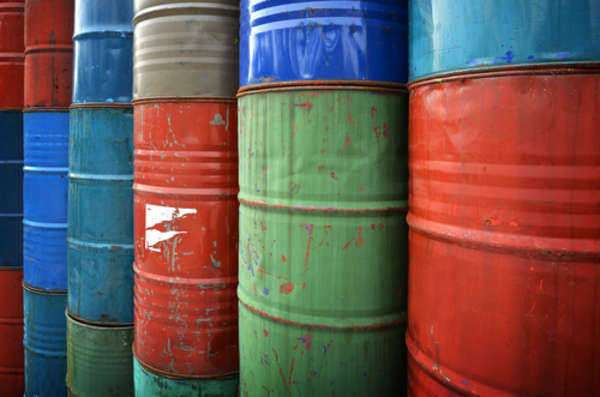
Four United States Senators—two Democrats and two Republicans—proposed a bill this week aimed at solving the country's nuclear storage woes. If the bill becomes law, it would create a nuclear waste policy incorporating both temporary and permanent storage solutions.
After President Obama de-funded the Yucca Mountain Project, which would have provided permanent storage for the nation's nuclear waste in one location in Nevada, federal lawmakers have struggled to reach a compromise regarding where spent nuclear fuel should be stored.
Nevadans largely stood in opposition to the Yucca Mountain facility, in part because they feared that the facility could leave the Las Vegas area vulnerable to radiation exposure if containment were to be breached. Because of concerns from nearby residents in any proposed location for long-term nuclear waste storage, finding a resting spot for tens of thousands of tons of nuclear waste has long been a political hot potato.
According to the terms of the bill introduced by Sens. Dianne Feinstein (D-CA), Lamar Alexander (R-TN), Ron Wyden (D-OR) and Lisa Murkowski (R-AK), nuclear waste would be handled by a new agency, the Nuclear Waste Administration. Feinstein said in a press release that “the inability of the federal government to collect waste stored across the country at functioning power plants, decommissioned reactors and federal facilities is costing taxpayers hundreds of millions of dollars a year.”
Today, nuclear waste is not centrally stored, or even stored according to any kind of national plan or strategy. Often, spent nuclear fuel rods, which are extremely dangerous nuclear waste, are left on-site at nuclear plants after decommissioning. This nuclear waste, called “orphan” waste because it is located in facilities with no functional reactor, is difficult to transport because much of the gear for transporting spent fuel rods is decommissioned along with the reactors.
This creates a particular problem in areas that are vulnerable to natural disasters. In addition, the decentralized storage of nuclear waste has led to some waste being stored in containers that may be vulnerable to deliberate attack, including containers visible from major highways.
The senators incorporated public feedback in their bill after receiving over 2,500 comments about a proposed nuclear waste measure. However, the bill may face an uphill battle in the House of Representatives. Legislators there are still attempting to restore funding to the Yucca Mountain Project, in spite of repeated presidential assurances that the project will not be resumed.
The next step for the bill is to be heard in front of the Energy and Natural Resources Committee. The hearing is scheduled for July.